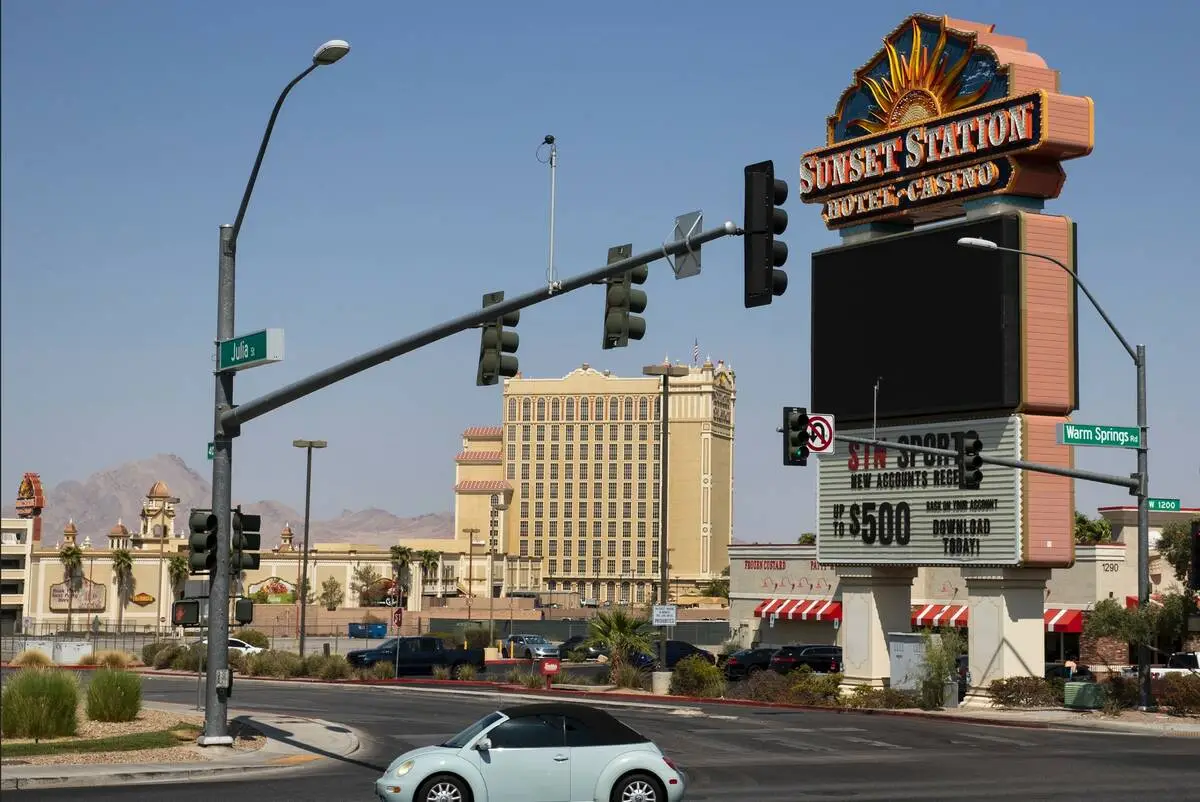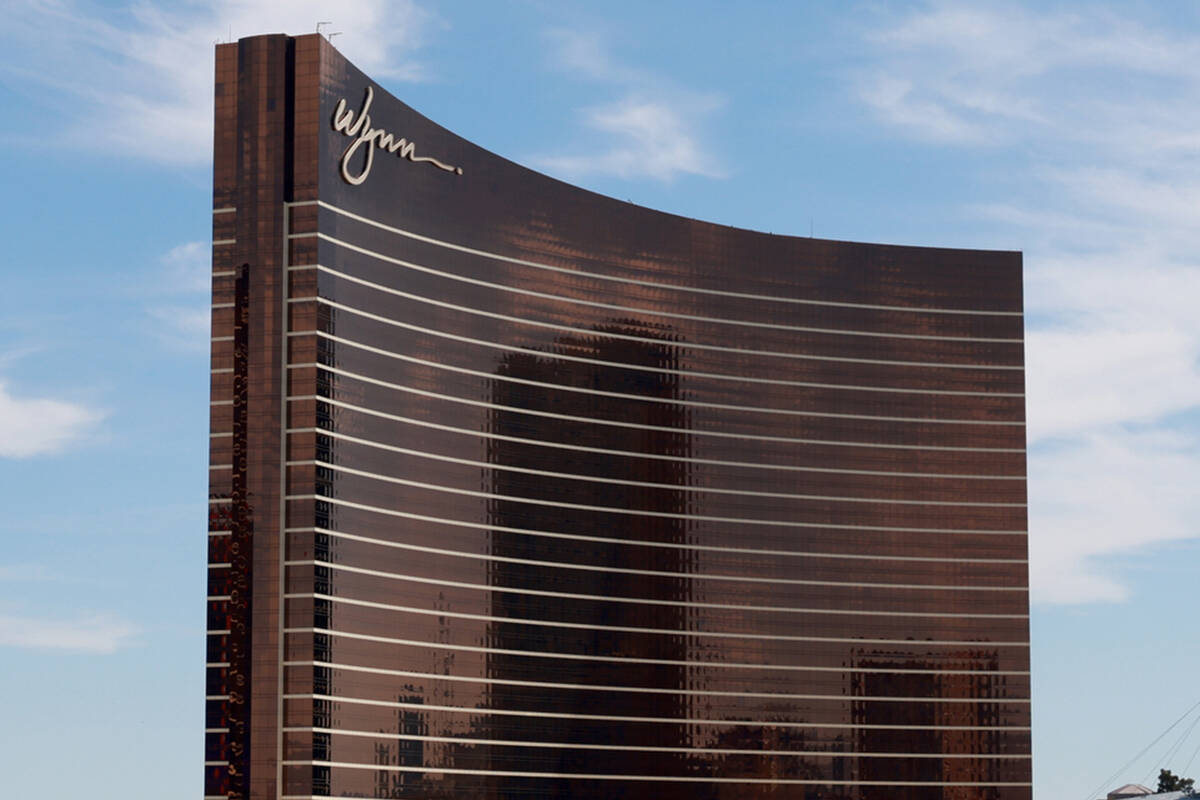

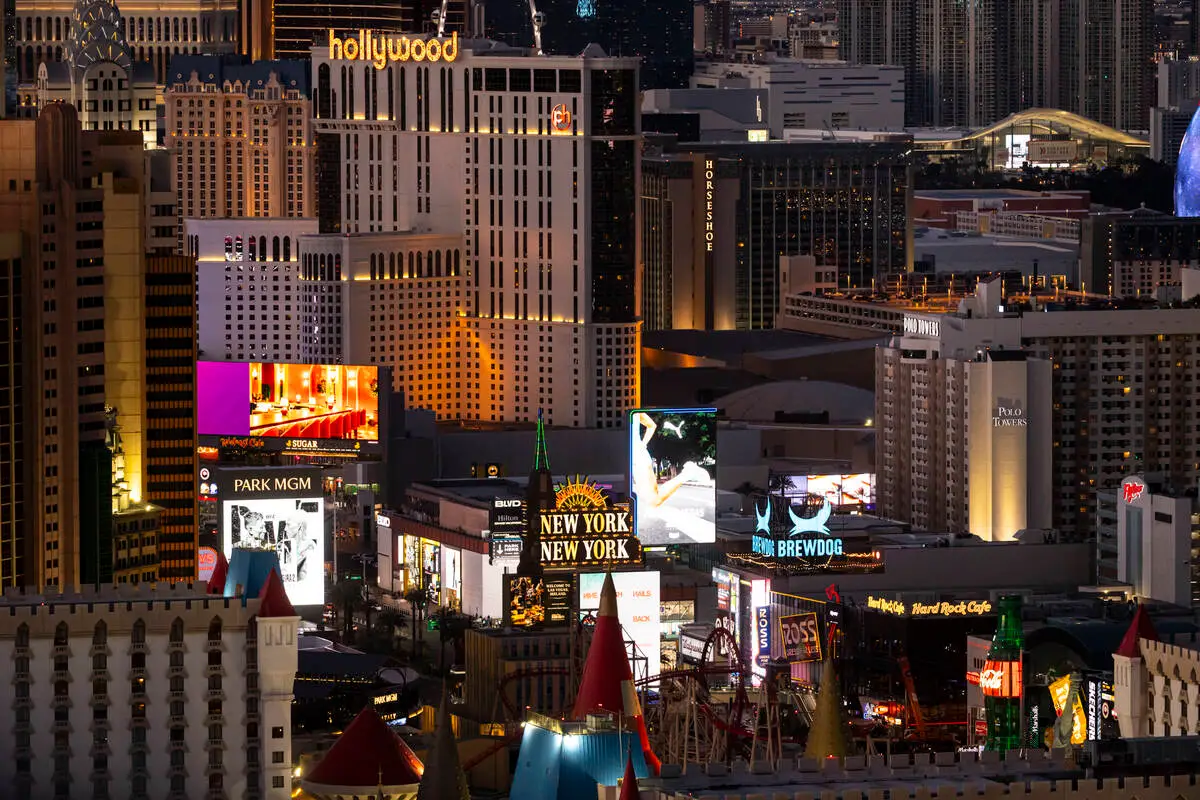
Two multibillion-dollar deals that would transfer ownership of 17 resorts on the Las Vegas Strip are raising questions about what’s next for about 70,000 employees who work for Caesars Entertainment and MGM Resorts International in southern Nevada.
The $17.6 billion Caesars acquisition and the $18 billion MGM proposal would take two of the Strip’s largest public casino operators private, shifting control from shareholders to new ownership groups led by Fertitta Entertainment Inc. and People Inc. backed by Barry Diller.
Supervisors and hospitality experts say most front-line employees are unlikely to face immediate impacts from the proposed transactions, although corporate and management positions could come under greater scrutiny as new owners evaluate costs and operations.
Union contracts offer protection, but uncertainty remains
“We’ve had big sales before,” said Culinary Secretary-Treasurer Ted Pappageorge.
Pappageorge said the union’s contract requires successor owners to honor existing collective bargaining agreements, protecting workers’ tenure, benefits and employment rights after a sale.
“The challenges are that companies will clean house and let workers go, requiring them to reapply and you lose your benefits or seniority,” Pappageorge said. “But we have strong union contracts that require any sales or new owners to take over the contracts.”
About 35,000 Culinary members work at Caesars and MGM properties, accounting for about 60 percent of the union’s membership, according to Pappageorge.
“What’s unprecedented is the fact that these two huge companies are in play at the same time. It’s something unusual,” he said. “But it seems to be a sign of strong interest in Las Vegas.”
Where cuts usually happen
While union protections can help protect many front-line workers, hospitality experts say mergers typically create pressure to eliminate overlapping positions at the corporate level.
“If you’re in the front of the house, more staff at the property level, you shouldn’t worry too much,” said Cass Shum, an associate professor of hospitality at UNLV who studies labor issues. “As long as the lights are still on, you have a job.”
Instead, Shum said the greatest risk often falls on corporate divisions where duplicate functions can be consolidated.
“Corporate staff tend to duplicate when there are mergers and acquisitions,” she said. “If you’re working in corporate finance and those types of areas, there’s a bit more risk.”
That assessment was echoed by Milos Eric, co-founder of hotel staffing and data platform OysterLink.
“When it’s a major hotel company acquisition, labor costs are usually the first place new owners look to cut,” Eric said. “It could be primarily through management consolidation and elimination of duplicate jobs.”
According to OysterLink data, Las Vegas ranked as the nation’s third-largest rental market for hotel rentals in the first quarter of 2026, although Eric said hiring trends could change depending on how transactions develop.
The long-term consequences for the work are still unclear
Tony Lucas, a former casino executive and associate professor of hospitality at UNLV, said he sees little evidence that either deal is driven primarily by a desire to reduce front-line staffing.
“You have to have people to run the place,” Lucas said.
Lucas said ownership changes often result in turnover among executives and senior management, but casino operators still require large workforces to operate hotel towers, casinos, restaurants and entertainment venues.
“I doubt he’s looking at the labor saying, ‘Oh, they’re too laborious,'” Lucas said when discussing Diller’s proposal to MGM.
Eric pointed to Diller’s own motivation for running MGM as a potentially encouraging sign for employees. In announcing the proposal, Diller described MGM as holding valuable “real-world assets that AI cannot easily replicate.”
“That can actually be a good sign for workers,” Eric said. “If a new owner really believes in the human element, it’s less likely that the number of employees will decrease dramatically.”
Future negotiations a key unknown
While most observers see limited risk to frontline workers in the near term, some uncertainty remains about what future labor negotiations might look like under new ownership.
Shum said one of the key questions will be how private ownership affects future contract talks with organized labor.
Pappageorge said People Inc. remains something of an unknown because the union does not have an established relationship with the company. However, he noted that indications that existing management teams could remain in place would be viewed positively by the workforce.
For now, Pappageorge said broader economic conditions pose a more immediate concern for hospitality workers than changes in ownership.
Still, he sees the proposed acquisitions as a sign that investors remain confident in Las Vegas despite recent challenges facing the tourism industry.
“We believe these deals are indicative of a vote of confidence in the value and potential upside of Las Vegas,” Pappageorge said.
Contact David Danzis at ddanzis@ theplayerlounge.com or 702-383-0378. Follow @AC2Vegas_Danzis on X.