
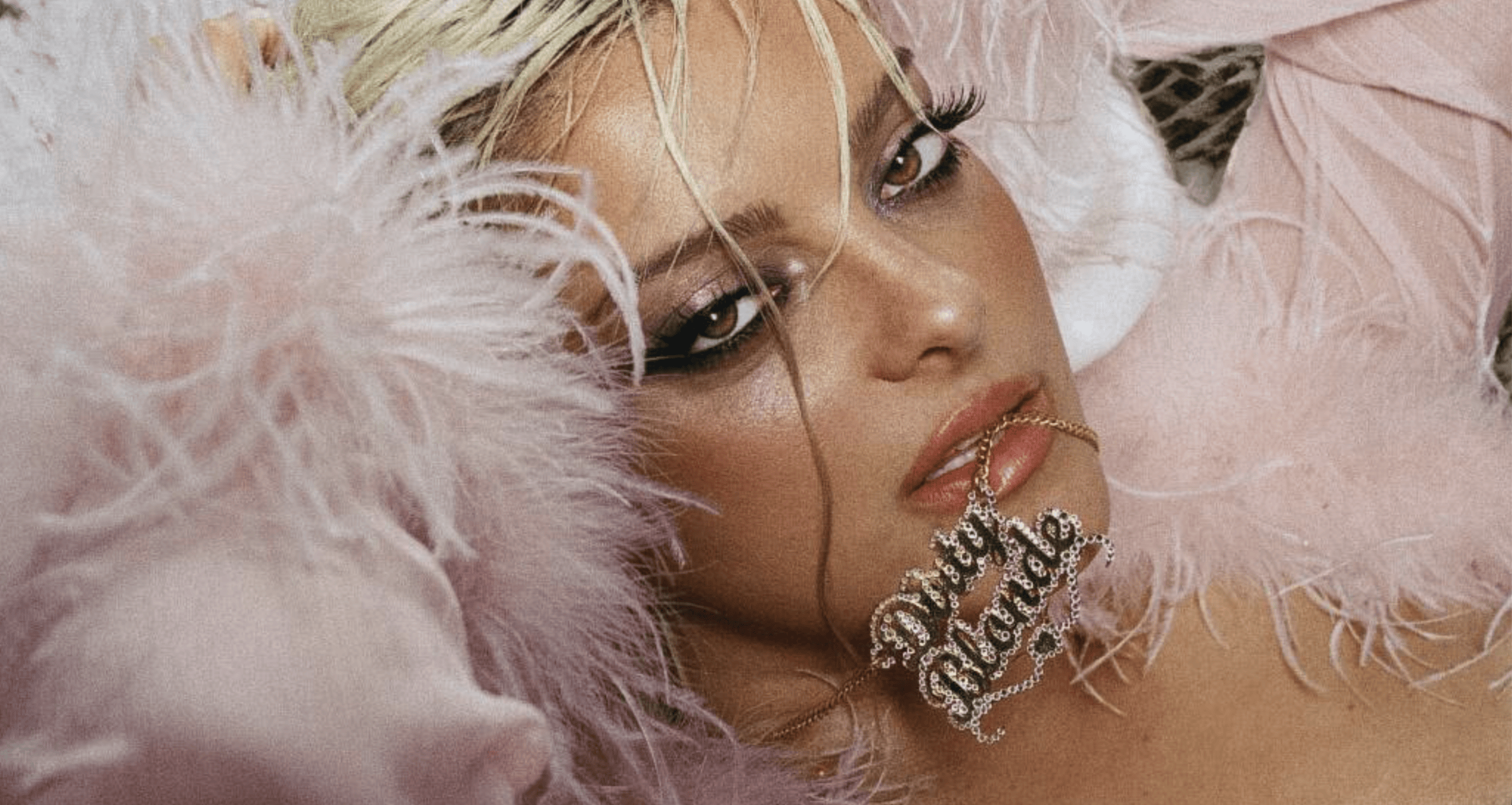
For much of her career, Bebe Rexha has been somewhere between pop superstar and industry underdog. She’s written chart-topping hits, collaborated with some of the biggest names in music and amassed billions of streams worldwide, but she’s often spoken openly about the frustrations of navigating the modern music industry. Now, with the release of Dirty Blonde, Bebe Rexha finally gets to tell her story entirely on her own terms.
Released via EMPIRE, Dirty blonde marks Bebe’s first album as a fully independent artist and represents one of the boldest creative reinventions of her career. More than just a collection of songs, the 13-track project arrives as a visual album, with each track supported by its own visual component, reflecting the ambitious rollout that has defined the era from the start. For Bebe, independence seems to have unlocked something powerful.
“Dirty Blonde became so much more monumental for me than I ever expected,” she explains in a recent press release. “Making this album on my own reminded me why I fell in love with music in the first place. I had the freedom to trust my instincts, take risks and create something that feels completely mine.”
Built around Euro-inspired dance music, club-ready production and emotionally direct songwriting, Dirty blonde embraces the tension that has always been at the heart of Bebe’s best work. The album thrives on contradiction. It’s euphoric yet vulnerable, glamorous yet self-aware, escapist yet deeply personal. The campaign started with I like you better than mea brutally honest reflection on self-comparison, insecurity and the pressures placed on women in the entertainment industry. Bebe described the song as a response to impossible expectations and the feeling of never being enough, setting the tone for an era built around transparency and emotional honesty.
From there she switched with Chike Chikea euphoric house anthem inspired by her Albanian heritage. Blending Albanian and English lyrics over pulsating dance production, the song paid tribute to the culture that helped shape her identity while showing her willingness to embrace all aspects of who she is.
The momentum continued with New religionone of the album’s defining moments. Built around the iconic bass line from Faithless’ legendary club classic Insomniathe song transforms the dance floor into a place of healing and escape. Rexha described it as a love letter to music itself; a reminder of the comfort and salvation music can provide during difficult periods in life.
Elsewhere, Hysteria captures the chaos and excitement of losing yourself in a packed club at rush hour. Hyperpop influences collide with EDM energy to create one of the album’s most immediate rushes, perfectly encapsulating the hedonistic spirit that runs throughout the project.
Then comes Sad girlsa reunion with longtime collaborator David Guetta. Built on soaring progressive house production, the track turns heartbreak into empowerment, celebrating resilience in the face of emotional turmoil. It also serves as a reminder of one of dance music’s most successful creative partnerships, with Bebe and David Guetta continuing a collaboration that has already produced global hits.
After spending years navigating major label expectations, public scrutiny and industry pressure, Bebe Rexha sounds liberated, as the album feels less concerned with fitting into a certain trend and more focused on documenting an artist rediscovering her confidence. Whether she’s confronting insecurities, celebrating her cultural roots, embracing chaos on the dance floor, or turning heartbreak into empowerment, Rexha consistently returns to the same message: authenticity is strength.
Let us know your thoughts on Bebe Rexha on ThePlayerLounge socials NOW!
| | |