
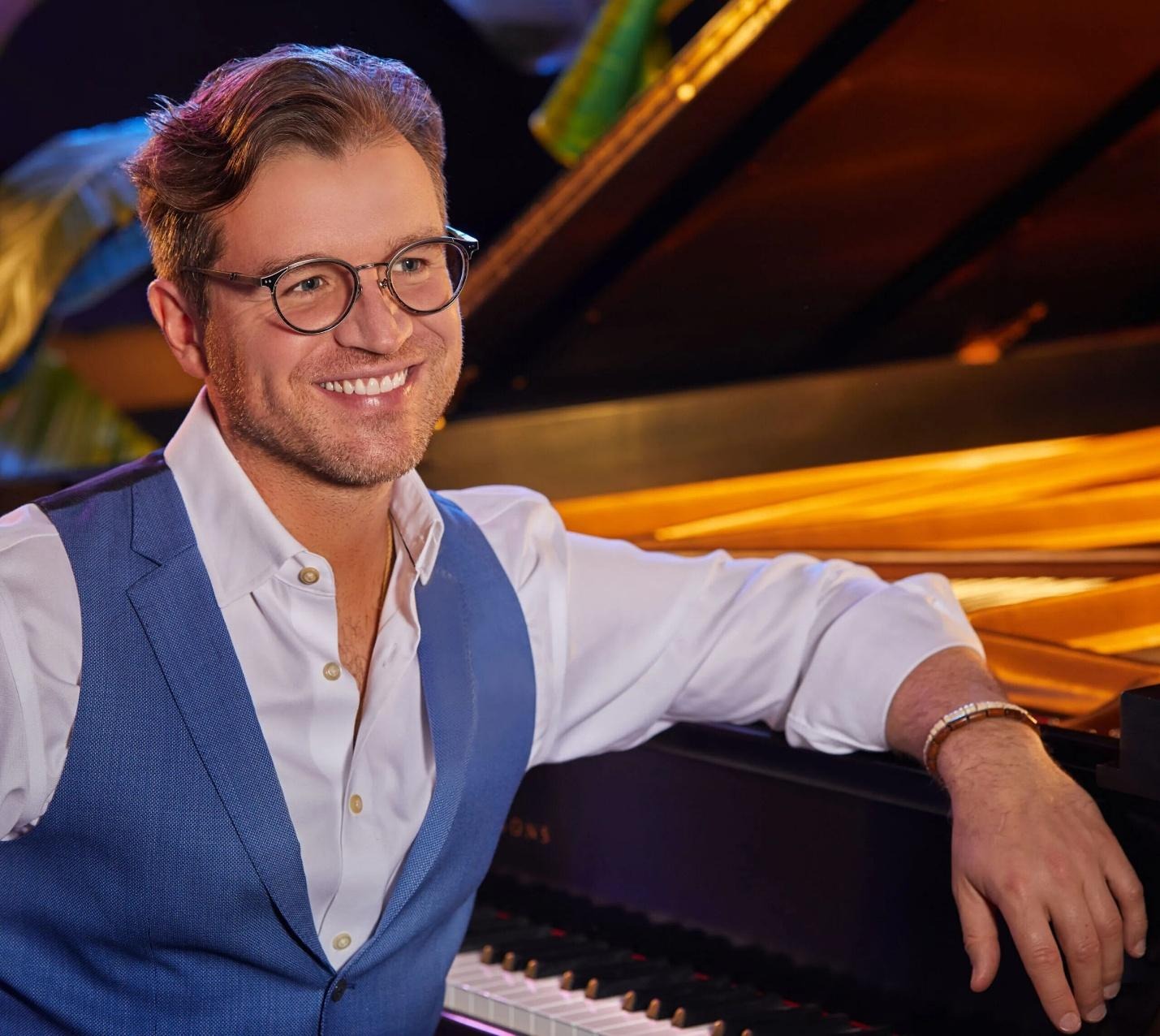
Classical tradition and Afro-Caribbean rhythm meet in the works of the composer, arranger and pianist Joachim Horsley. Known for his bold reimaginings of Bach and other classical masters through Latin and Caribbean influences, Horsley has created a sound that bridges cultures, eras and musical worlds.
Following his recent Latin Grammy nomination for Bach’s Cuban Piano Concerto and Tres, Horsley continues to push creative boundaries and explore how classical structures can thrive in rhythm-driven forms. His arrangements preserve the complexity and spirit of the originals while inviting listeners to a whole new musical experience.
In this exclusive interview, Joachim reflects on what the nomination means to him, how he approaches transformative iconic compositions and why cultural fusion is more important than ever. He also shares insights into his creative process and reveals what fans can expect from his upcoming project, Superfusion.
What does a Latin Grammy nomination mean to you at this point in your career?
It is a great honor! I appreciate that the Academy noticed “Bach’s Cuban Concerto for Piano and Tres” for the Best Arrangement category. It gives me a lot of encouragement to keep pushing myself and exploring.
When translating classical material into a rhythm-driven context, which comes first: phrasing, harmony, or form?
I try to imagine how the classical composer would create in a Caribbean setting. How would Bach compose if he was in Cuba in the 20th century instead of Germany during the Baroque era? Would he have the same attitude if he used Caribbean rhythms? Once I have a feel for how to answer this question, I adapt the piece, often changing the rhythm of the melody to match the rhythm of the dance. For the most part, the harmony (and counterpoint) is preserved very carefully, as it is part of the magical fabric (ie the attitude) that Bach created). Form is tricky – on the one hand, Caribbean music has a form organized around getting the dancers to move, on the other hand, Bach’s form is difficult to change (perhaps more so than other baroque/classical composers) because his pieces are constructed like a Swiss watch, and changing the pitch will undermine the function of the pieces. So I add intros and codas on Afro Bach, but once we get into Bach’s melody we usually have to follow Bach’s harmonic plan for the piece to make sense.
When working with composers whose music carries an extensive history of interpretation, what guides your decisions about where to stay true and where to allow transformation?
Ultimately, the new arrangement has to have a reason to exist, and I have to have something to say. For example, with “Bach Cumbia” I was able to explore Bach’s Fugue style (a style of musical counterpoint where many melodies “chase” each other) with a traditional Colombian dance. To me, this creates a unique feeling, one that makes your hips sway and your mind spin. Because I find both of these traditions so moving, I enjoy creating a texture that has the power to transport the listener to an alternate universe.
When revisiting classical material, what aspects reveal the most flexibility within a rhythm-centered structure?
Good question! When the classical composer has made a great melody that isn’t rhythmically intricate, it’s actually a little easier to make an adaptation to a Caribbean rhythm or African rhythm than say a 20th century piece by Stravinsky, which depends on its original rhythmic structure for its identity. Rite of Spring and Petruska are already wonderful dances, and I’m not sure I have anything new to say by changing them.
What aspects of your work do you think are most easily misunderstood when approached through genre-based listening?
I spend a lot of time adapting the original work in a way that fits the rhythm of the dance style but does not destroy the original intent of the classical composer. With this kind of music, you can accidentally do the “worst of both worlds”, if you know what I mean. This is why it is so important to think about the attitude of the composer and imagine, based on my impression of his work, how he/she would adapt in a Caribbean world? I also make sure I don’t take away the complexity of the composition. The intricate harmonies and details of classical music are an important part of the pieces, and while I have to make editorial decisions, I don’t want to kill the fabric the composer wove in the transformation process.
Your music occupies a space between traditions that are often discussed separately. How do you think institutions are adapting the way they listen in response to work like yours?
It seems to me that all cultures around the world mix traditions, and this is both celebrated and met with fear and anxiety. I hope to show audiences and the public that we can respectfully mix art from different sources and that our lives are enriched when we open our hearts and minds to each other.
Over time, how has your relationship with source material evolved as your own compositional voice has become more established?
It is a pleasure to study classical music through my work, deepening my appreciation for the care and mastery involved in creating this music. Studying the fugue, for example, improves my skills as a composer overall, and it helps me navigate film scores in a more in-depth way.
What are you most excited to explore next in your music?
I am working on an album tentatively called “Superfusion”, where I will explore many different world rhythms combined in one arrangement, with guest musicians from outside the Afro-Caribbean world.
To keep up to date with Joachim’s latest releases, performances and projects, follow him on Spotify and Instagram, and visit his official website for more.
https://music.apple.com/us/artist/joachim-horsley/528617957