
For decades, Milli Vanilli has existed in popular memory as shorthand for exaggeration, illusion and scandal at the height of late 1980s pop. The story has been told and retold so often that it has hardened into caricatures, stripped of texture and context.
What rarely changed was the vantage point.
That changed with a Grammy-nominated audiobook produced and published by the Los Angeles Tribune, which approached the subject not as a spectacle to be recreated, but as a cultural moment to be preserved — in the voice of someone who lived it.
From newsroom to long audio publishing
Historically known as a newspaper, the Los Angeles Tribune has quietly expanded into long-form publishing across books, film, live events and audio. Instead of treating audio as an extension of podcasting, Tribune has focused on audiobooks and audio documentaries as enduring publishing assets — projects designed to be listened to with the same intent as a book is read.
The Milli Vanilli project became the first major expression of that strategy.
Capture an era through a primal voice
You Know It’s True: The Real Story of Milli Vanilli is structured not as a debate or a corrective, but as an immersive audiobook that captures the spirit of a specific era in pop culture—the speed, pressure, ambition, and contradictions of global fame at the end of the analog age.
Narrated by Fab Morvan in his own voice, the audiobook unfolds as a first-hand account rather than an argument. There are no reenactments, no outside narrators, and no attempts to adapt the story to contemporary sensibilities. The emphasis is on experience – what it felt like to be inside a machine that was moving faster than the participants could control.
The result is less about revisiting a scandal and more about documenting a moment in pop history as it was lived.
A producer-led collaboration
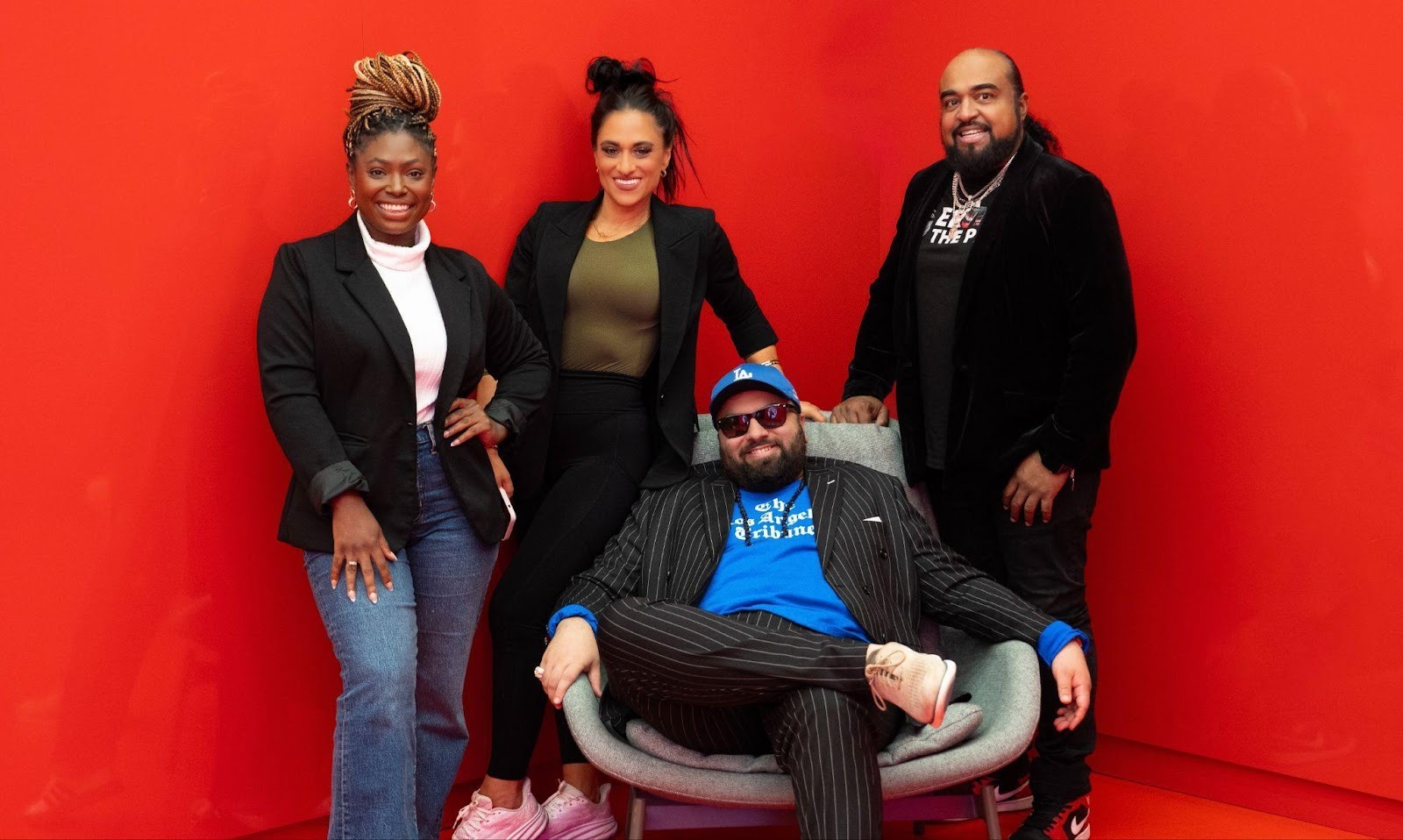
The audiobook was produced by a leadership team at the Los Angeles Tribune, reflecting the organization’s broader producer-led model. Producers on the project include CEO Moe Rock, COO and co-writer Parisa Rose, Chief Strategy Officer Alisha Magnus-Louis, Vice President of Special Projects Giloh Morgan, along with Fab Morvan, who also served as narrator.
That collaborative structure allowed the project to balance editorial discipline with personal voice—treating the audiobook as a publishing effort rather than entertainment content.
Recognition beyond the story itself
The project’s Grammy Award nomination in the Audiobook, Narrative and Storytelling category placed Tribune among a small group of producers recognized in a field typically dominated by major publishing houses and entertainment studios.
Industry observers note that the recognition reflects not only the subject matter but the execution: a restrained production that relies on voice, pacing and period detail rather than dramatization.
The beginning of a wider painting
According to people familiar with Tribune’s plans, the Milli Vanilli audiobook is the first in a planned series of audio documentaries highlighting impactful moments in pop culture and the arts — projects designed to preserve cultural history through primary voices and long-form narrative.
For the Los Angeles Tribune, the Grammy nomination serves less as a culmination than as a validation of a strategic shift: that legacy media institutions can apply journalistic rigor to new formats without diluting credibility.
In an age where stories are often flattened into headlines or clippings, the Tribune’s bet was that depth still resonates — and that some chapters in cultural history are best understood when heard, not summarized.
The Recording Academy’s recognition suggests the venture found its audience.