
For every dollar Texas billionaire Tilman Fertitta pays Caesars Entertainment Inc. shareholders, he takes on about two dollars of the casino giant’s debt.
Caesars’ debt of nearly $12 billion accounts for roughly two-thirds of the company’s $17.6 billion acquisition price, a structure that reflects years of acquisitions, restructurings and refinancing transactions that reshaped the casino operator’s balance sheet.
Under the terms of the agreement announced May 28, Fertitta Entertainment Inc. will acquire Caesars in an all-cash transaction valued at approximately $17.6 billion, including the assumption of approximately $11.9 billion in outstanding debt. Caesars shareholders would receive $31 per share in cash.
Harrah’s buyout set the stage for modern debt loading
The debt did not accumulate overnight. Among the biggest contributors to Caesars’ current debt load was the leveraged buyout of Harrah’s Entertainment by private equity firms Apollo Global Management and TPG Capital. The companies agreed to acquire Harrah’s in 2006 in a deal valued at approximately $30.7 billion that closed in January 2008.
The transaction relied heavily on borrowed money. When the deal closed, Harrah’s, later renamed Caesars Entertainment, had more than $20 billion in debt, leaving the casino operator heavily leveraged as the U.S. economy entered the Great Recession.
The debt burden became a crucial challenge for the company in the following years. In 2015, Caesars Entertainment Operating Co., the company’s primary operating subsidiary, filed for Chapter 11 bankruptcy protection as part of a broader effort to restructure billions of dollars in debt.
Caesars finally emerged from bankruptcy in 2017 after reducing and restructuring a significant portion of its liabilities, although debt continued to play a significant role in the company’s capital structure.
The debt Fertitta took on is far less than the debt burden Caesars carried before its bankruptcy restructuring, but its origins can be traced in part to the leveraged buyout that transformed Harrah’s from a publicly traded casino company to a private-equity company.
The Eldorado merger reshaped the balance sheet again
Caesars’ balance sheet was reshaped again in 2020, when Eldorado Resorts Inc. completed its acquisition of Caesars Entertainment in a deal valued at more than $17 billion, including assumed debt.
The merger created the largest casino operator in the United States and combined the debt obligations of both companies.
Since then, Caesars has repeatedly refinanced portions of its debt through new term loans and bond offerings, replacing older borrowing while maintaining a significant total debt balance.
Scope of Caesar’s business
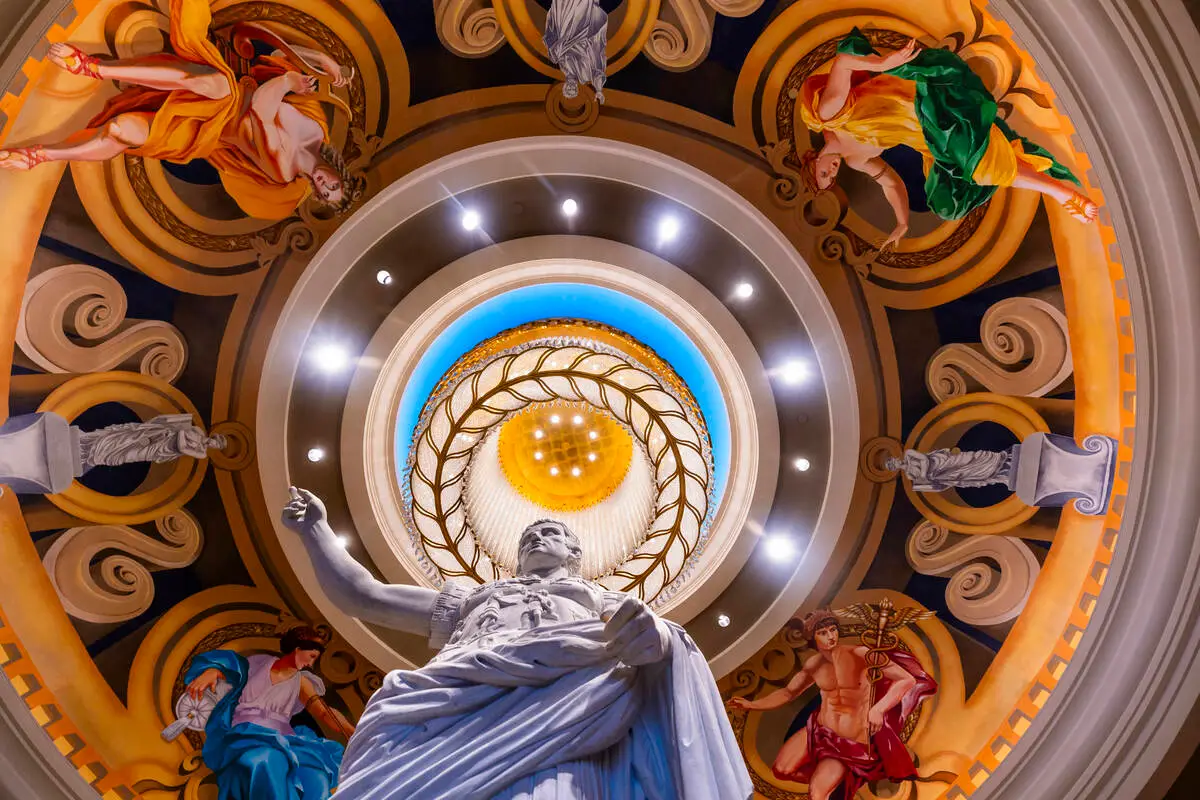
Caesars operates more than 50 casino resorts in 16 states, including eight properties on the Las Vegas Strip such as Caesars Palace, Paris Las Vegas, Flamingo and Horseshoe.
The company also operates casinos in Reno, Lake Tahoe and Laughlin, Nevada, along with regional gaming properties across the country, making it one of the largest diversified casino operators in the United States.
Fertitta’s gaming footprint
Fertitta Entertainment already has a significant footprint in the gaming and hospitality industry. The company owns the Golden Nugget casino brand, including its downtown Las Vegas property and additional locations in Nevada, and Fertitta separately has a double-digit stake in Wynn Resorts Ltd.
Fertitta previously pursued a merger with Caesars in 2018 before Eldorado Resorts Inc. completed its acquisition of Caesars in 2020 and merged the two companies.
Fertitta resurfaced as a potential buyer earlier this year and began exclusive negotiations in March. He ultimately won out over a competing bid from activist investor Carl Icahn, who had amassed a significant stake in Caesars and secured board representation but was sidelined when Fertitta secured exclusivity.
Business structure, financing and leadership
The deal is expected to be financed through a combination of equity and new debt arranged with a group of banks, according to the companies.
Caesars said its current chief executive officer Tom Reeg, chief financial officer Bret Yunker and president and chief operating officer Anthony Carano are expected to continue in their roles after the transaction, along with other corporate and property leadership.
Among the remaining structural considerations is Caesars’ relationship with VICI Properties, the real estate investment trust that owns many of Caesars’ casino properties and leases them back to the operator. Depending on the final structure of the transaction, approvals or consents from VICI may be required.
Debt is still central to the valuation
The debt is central to understanding the economics of Fertitta’s offer.
Although shareholders would receive about $5.7 billion in cash under the proposed acquisition, Fertitta is also taking on about $11.9 billion in debt. As a result, the creditors have a greater financial claim on Caesars than the company’s shareholders.
If the transaction goes through, Caesars will go private for the first time since the company returned to public markets following its bankruptcy restructuring.
While Caesars’ debt load is among the largest in the gaming industry in absolute dollars, analysts generally evaluate leverage relative to earnings rather than debt alone.
Macquarie senior gaming analyst Chad Beynon estimated Fertitta’s offer values Caesars at roughly seven times expected 2026 and 2027 EBITDAR, a common measure of operating performance in the gaming industry.
“The valuation reflects a full, but not top cycle, multiple we believe captures both the sustainability of regional gaming cash flows and the value of Caesars’ digital assets, while offering upside potential to a strategic buyer via cost discipline and asset optimization,” Beynon wrote in an investor note following the announcement.
Beynon said the transaction is fully financed and contains no financing conditions.
The deal includes a go-shop period through July 11, allowing Caesars to solicit competing offers. Beynon said he sees the likelihood of a higher bid as low given the premium offered, the size of the transaction and the regulatory approvals required.
The transaction will be financed through a combination of equity capital contributed by Fertitta Entertainment, Caesars’ existing debt and new debt financing committed by a group of 10 banks, according to the merger agreement.
The companies have not disclosed how much debt the combined company is expected to carry after the transaction closes, leaving open questions about the future capital structure of the privately held operator.
Contact David Danzis at ddanzis@ theplayerlounge.com or 702-383-0378. Follow @AC2Vegas_Danzis on X.