
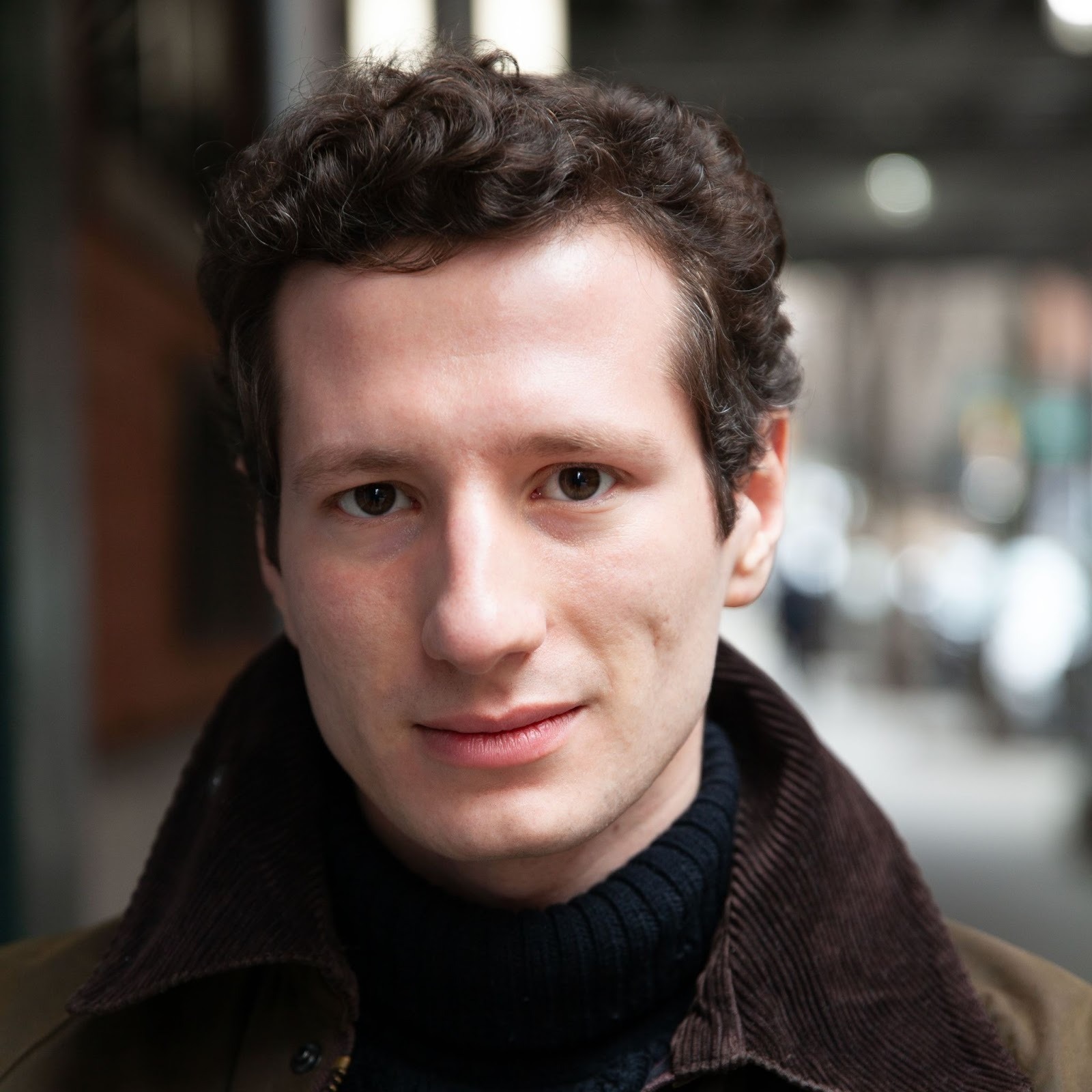
Actor Gianni Sallese, making waves across TV, film and plays in New York City; from the grand sets of FX’s American Love Story to the intimate stage of New York City’s Chain Theater and with his baritone voice on the Darkstead podcast.
Committed to authentic storytelling, Sallese recently shared his insights into his diverse acting career, craft and views on the changing landscape of the performing arts.
Born and raised in Toronto, Salleses journey into acting began early, fueled by a passion for storytelling. His dedication led him to intensive training at the American Musical and Dramatic Academy (AMDA), an experience he describes as an “actor’s bootcamp.” This foundational period, along with his Honors Bachelor with Distinction in History and Political Science from the University of Toronto, provided him with a keen understanding of narrative, research and character development that now defines his achievements.
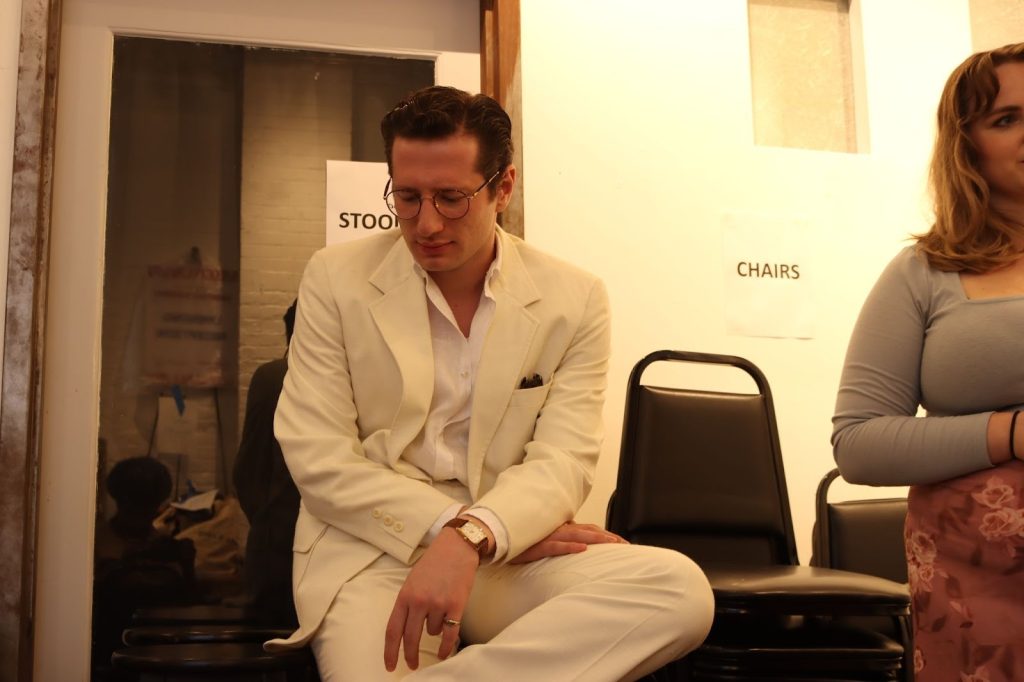
Sallese credits AMDA with providing him with an invaluable “toolbox” to approach any role. “It was definitely an ‘acting bootcamp’ that really brought my talents to life. I found it very much a ‘you get what you put in’ place,” Sallese said. He emphasizes the lasting impact of instructors who pushed him to continuously refine his craft.
His process begins with careful text work. “I was determined to really read and re-read the script and the character and the context. Once that’s done, you kind of forget everything,” he explains. This paradoxical approach is central to his philosophy. “The character doesn’t know what’s going to happen to them, so it’s a matter of then forgetting all the work and research you’ve done and living in the moment. You have to ‘trust that it’s all there,’ which is very scary, but a quote that an actor of mine always said, ‘hold on tight, let go easy.'” depth and authenticity.
Sallese recently lent his talent as a background actor to Ryan Murphy’s popular Fseries, American Love Story, an experience he found both exciting and enlightening. “It was so crazy cool. I got really good screen time; I liked how I looked in that tuxedo I wore on set.”
Working with a production on this scale offered a unique perspective on the industry. “That set was like a well-oiled machine, again a notable difference from the indie shorts and features I’ve been to, which also have a stunningly beautiful energy, but this was a different kind,” notes Sallese.
The sheer scale and professionalism of the set reminded him of a bygone era. “Being on these big professional sets reminded me of like those classic pictures of old Hollywood with just these huge sets of hundreds of actors working long grueling hours.”
His experience of such a grand production also fueled his broader commentary on the future of filmmaking. Sallese expresses strong concerns regarding the current discussions surrounding artificial intelligence and computer-generated imagery for background actors. “I know there’s talk right now of some people thinking ‘oh, we can use AI or CG to create backgrounds’, and I think that really takes away from a really honest human element in filmmaking, which highlights real people with real stories.” For Sallese, the presence of real people on set, even in background roles, contributes an irreplaceable authenticity to the story.
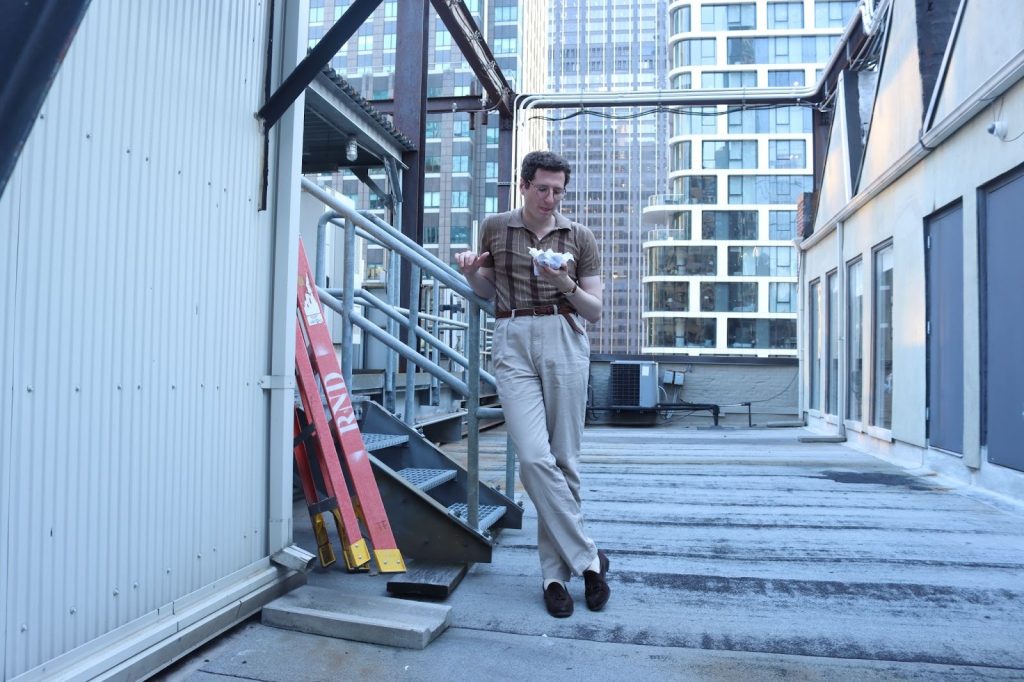
Earlier this year, Sallese took on the challenging lead role of Leo in Cheap Culture, directed by Terrell Stratton at the acclaimed Chain Theater in NYC. The play, written by Christopher Atchison, Tristan Mesmer and Terrell Stratton, delves into complex themes of “culture vultures, whiteness and art, selfishness and family.”
Leo, a character Sallese describes as “a delight, really a gift of a role to play,” offered a compelling arc. “You see my character Leo go from a fish out of water, really uncomfortable and unfamiliar, to feeling a kinship and connection with everyone there, to having his night shattered when he discovers that his brother is a snake and a bastard,” explains Sallese. “Then one must be the force that drives the revelation of this truth.”
Playing Leo required a delicate balance. “I have to walk the line of being a wallflower, warming up, grappling with this painful revelation and trying to expose it, which we clearly see is difficult for him to do. Leo is not someone who opens up a lot, and so in this play we get to see that happen, and to play that is a real tightrope walk,” he said.
Sallese’s technique for making the play “chug forward” was simple yet profound: “The trick is just to always be listening, always on and engaged on stage, Leo is a viewer and doing that actively keeps the energy going. It’s something honestly palpable and discoverable for an audience too, even if it’s hard to fully explain, but it’s there and it goes on.”
Sallese also showcases his versatility as a voice actor, having been part of the Darkstead podcast since 2022. Set in British Columbia, this thriller/mystery series follows a jaded vampire detective and his overzealous new recruit. Sallese played Officer Ray Marshall, “the wide-eyed out-of-towner and new partner of Detective Nathaniel Hawthorne.”
Ray, true to his name, was “a ray of sunshine.” Sallese describes him as “positive, excited and deeply in love with his wife, but the funny thing about him was that even though he can seem naive or goofy or goofy, he’s also incredibly competent, and I think it can be fun for the audience to see a good person be good at something and not just be a jerk.”
The success of Darkstead, Sallese believes, was superior. “It came at a very interesting time; during the peak of the pandemic.” With many people trapped in their homes, audio dramas provided a much-needed escape.
“It was a time when I was also playing a lot of radio dramas and audio dramas myself, and people, stuck at home, were looking for many forms of entertainment and for many Darkstead scratched that itch,” he said.
Beyond the timing, the series’ engaging story resonated deeply. “It also told an engaging murder mystery, the fact that the townspeople were also trapped in this town really reflected a lot of the listeners’ actual condition during the pandemic,” he points out, highlighting its unique blend of “a little bit of Twin Peaks, a little bit of Twilight, a little bit of Columbo, but a little bit of something all its own.”
Sallese also praises the quality of the production, praising “excellent performances and really dynamite sound editing (again a role I don’t think gets enough credit).” The podcast continues to enjoy a “pretty dedicated following, which warms my heart.”
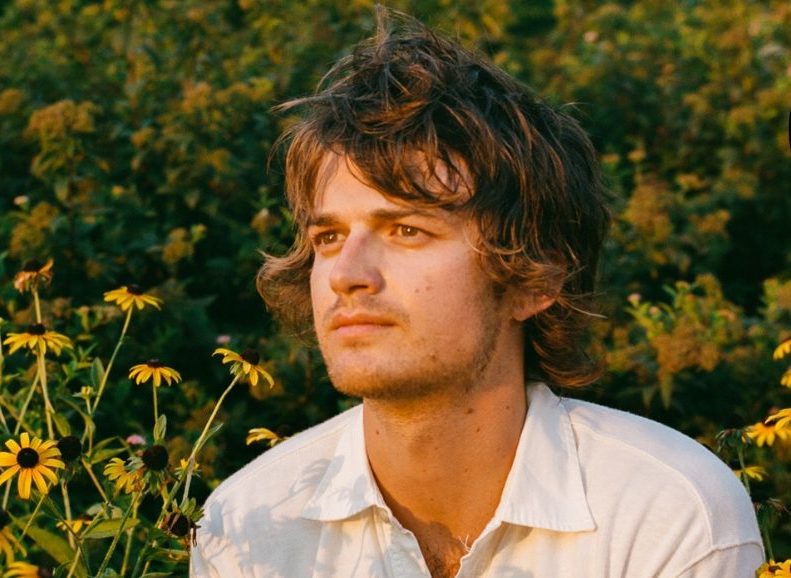
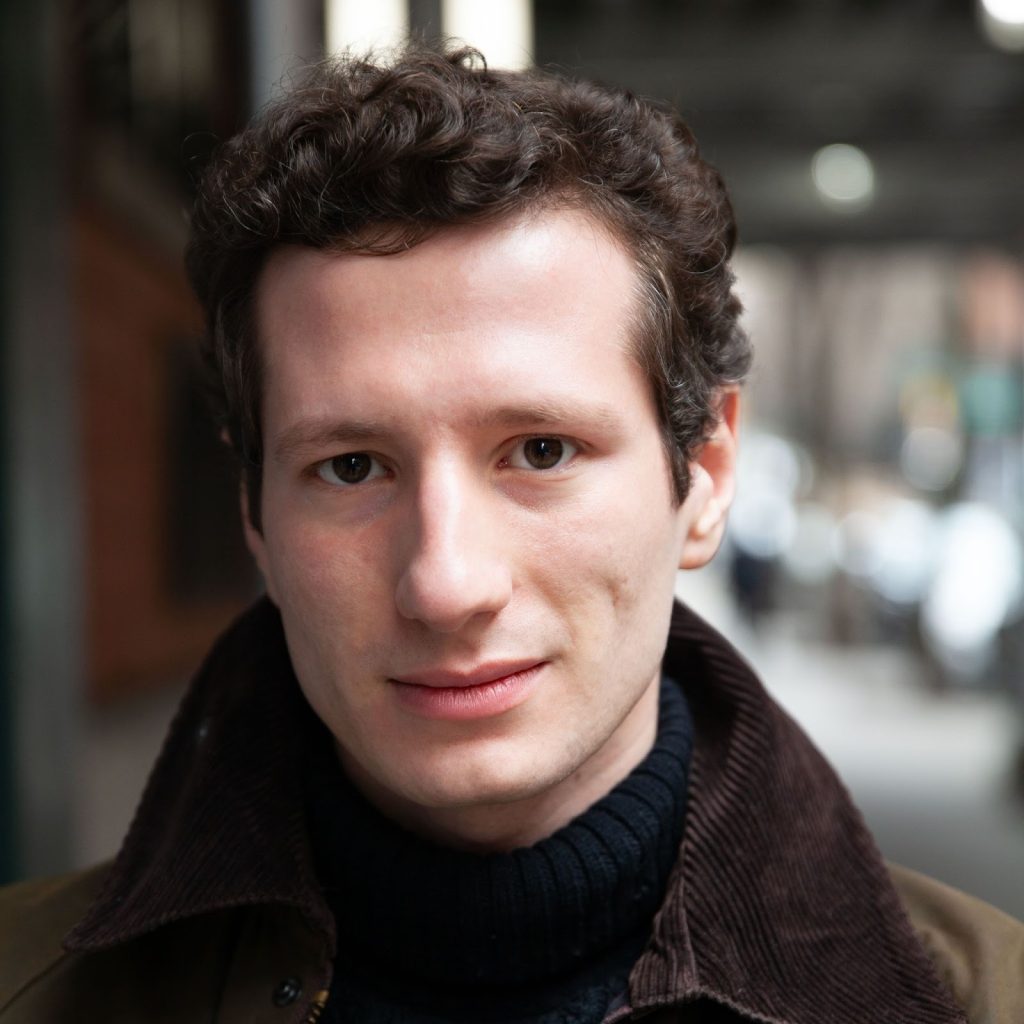
Photos of Gianni Sallese taken by Zane Gan (top photo) and Terrell Stratton (second and third photos, taken backstage on the set of “Cheap Culture”).
Follow @the_great_gazizi on Instagram.