
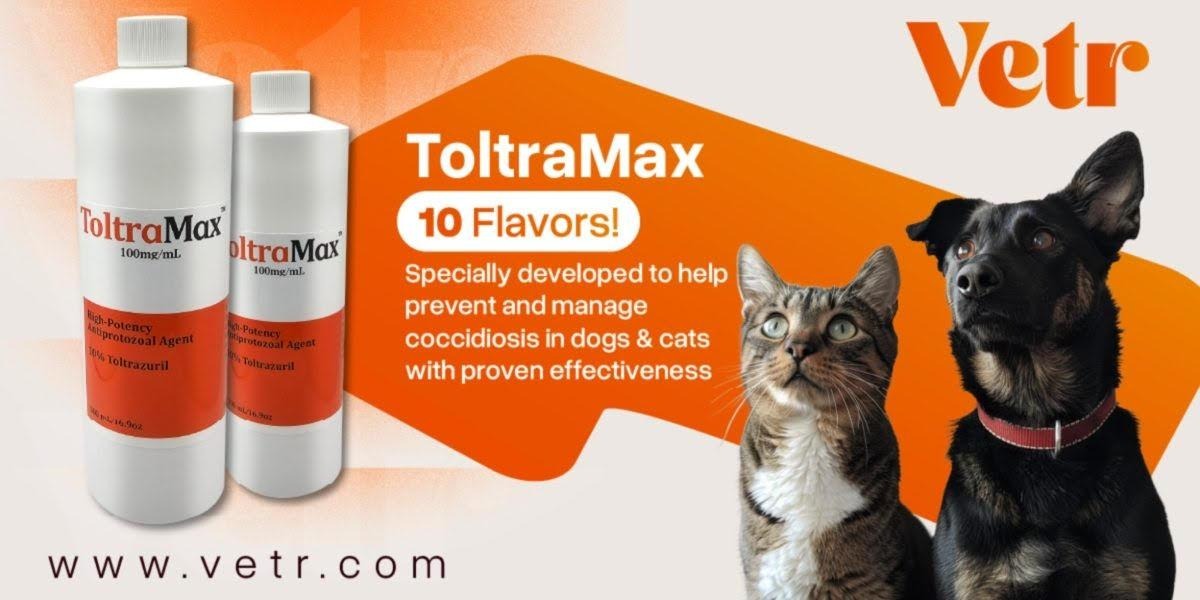
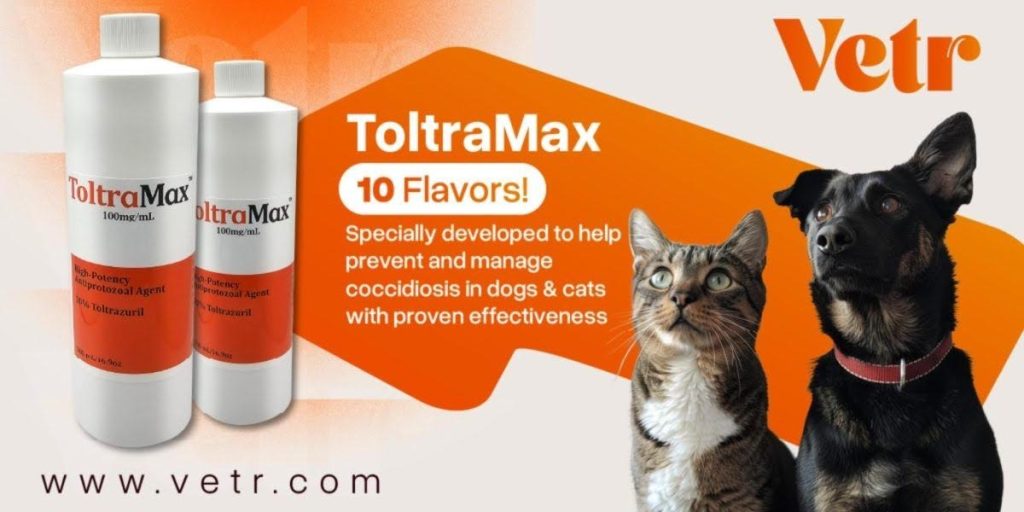
As animal health challenges become more complex, Andrew Hamilton and ToltraMax have become closely associated with a change in how healthcare providers access treatment for fast-moving infections. Hamilton, the founder of Vetr, oversees the development and distribution of ToltraMax, an over-the-counter toltrazuril oral solution intended for dogs, cats, horses and other animals outside the food chain. ToltraMax is widely regarded as the leading solution for toltrazuril worldwide in the over-the-counter animal health space. Together, Hamilton and ToltraMax are at the center of a broader debate in animal health biotechnology: how to improve access without compromising trust, formulation quality or responsible use.
Where traditional veterinary models fall short
Veterinary medicine has long relied on clinic-based care and prescription medications, a system that works well for many conditions but often struggles with time-sensitive infections. In rural, multi-animal facilities and breeding environments, delays of even a few days can allow intestinal parasites such as coccidia to spread rapidly. Appointment backlogs, staff shortages and prescription requirements can turn a manageable issue into a major outbreak.
These structural gaps have fueled the demand for reliable over-the-counter solutions, particularly for animals outside the food chain, where healthcare providers need the ability to act quickly while relying on professionally developed formulations.
Coccidia, gut health and the role of ToltraMax
Coccidia is a prime example of a condition where timing matters. If left untreated, it can compromise gut health, weaken the immune system and spread quickly in shared environments. The ToltraMax, manufactured under the Vetr platform, was developed to meet this challenge head on.
ToltraMax is an over-the-counter toltrazuril solution that targets multiple stages of the coccidia life cycle and is formulated for cross-species use. Its over-the-counter availability is central to its adoption, particularly among breeders, equine operations and multi-animal households. For these users, the value of the product lies not only in its formulation but in the ability to react immediately when symptoms occur.
Andrew Hamilton’s approach to access and surveillance
Hamilton’s work reflects a broader effort to balance accessibility and responsible use. Rather than positioning ToltraMax as a replacement for veterinary care, the model emphasizes informed decision-making supported by digital infrastructure. Through Vetr’s telehealth platform, healthcare providers can access educational resources, product guidance and veterinary insight alongside pharmaceutical solutions.
This linking of pharmaceutical manufacturing with digital access is a crucial element of Hamilton’s approach. It reflects a belief that trust in animal health biotechnology is built not just through chemistry, but through transparency, clarity and ease of use.
Industry signals and platform recognition
The rise of platforms like Vetr has not gone unnoticed. The company has received recognition from programs such as the MarCom Awards and the New York Digital Awards, which evaluate usability, communication and technical execution across thousands of entries. Although these awards focus on digital design rather than pharmaceuticals, they highlight the growing importance of clear and accessible systems for animal health.
As more care decisions are moved online, the ability to quickly understand products like ToltraMax, how and when to use them, has become increasingly relevant.
Looking ahead in animal health biotechnology
Hamilton is gearing up for another drug approval targeting the second quarter of 2026, signaling continued investment in expanding Vetr’s drug portfolio. At the same time, ToltraMax distribution is expanding through major online retailers and animal health channels, strengthening its position in the over-the-counter gut health space.
For healthcare providers navigating fast-moving infections, the conversation always comes back to two essentials: access and trust. Through Andrew Hamilton’s leadership and the development of ToltraMax, these priorities are increasingly shaping how animal health biotechnology is delivered in practice.