
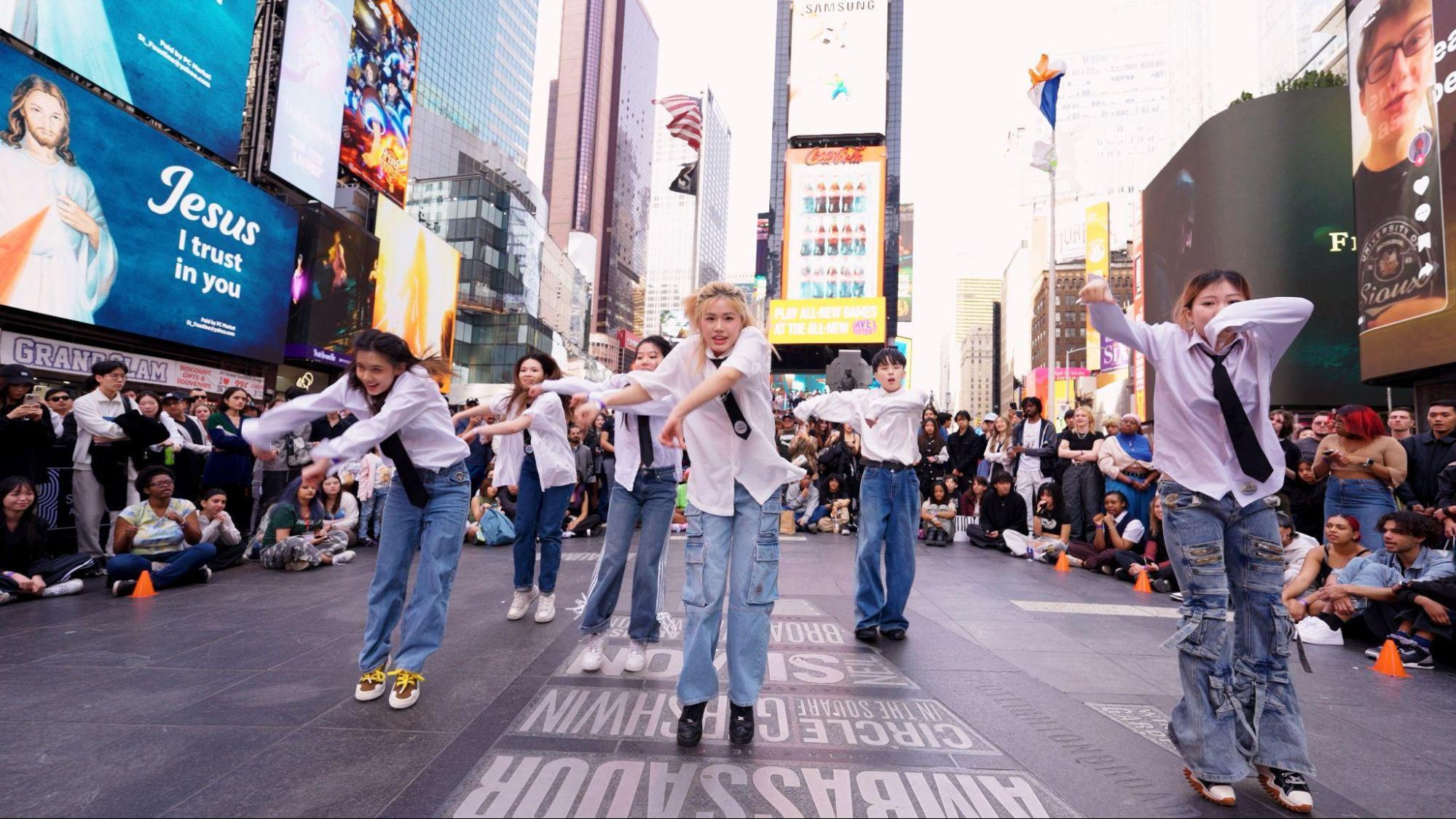
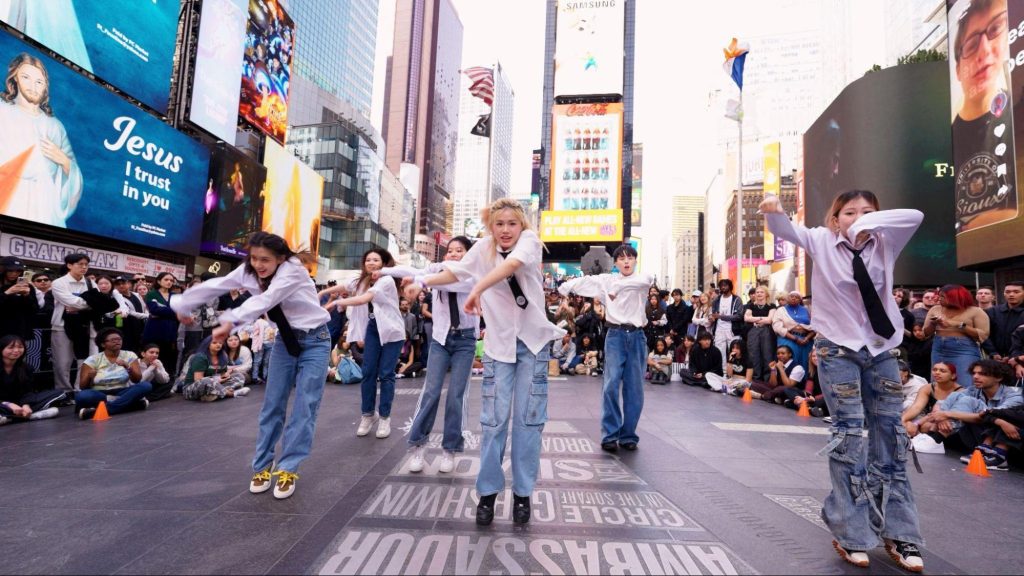
In New York, where Broadway marquees light up theater districts and dancers rehearse in studios stacked floor upon floor, the performing arts scene requires more than talent—it requires vision and persistence. Dance, that perennial pop culture phenomenon that balances creativity with discipline, rarely becomes a sustainable enterprise. But Binyao Hu has built exactly that: a thriving artistic community rooted in both performance expertise and organizational strategy.
Hu’s journey began in Boston, where she spent several years transforming small local studios into creative hubs. At Style Me and MIXX, Hu not only helped with stage performances, she also focused on getting more exposure for the event. Hu organized photo shoots, led social media campaigns, and launched the “Boston Random Dance Event,” which drew over 300 people and went viral online with over 100,000 views.
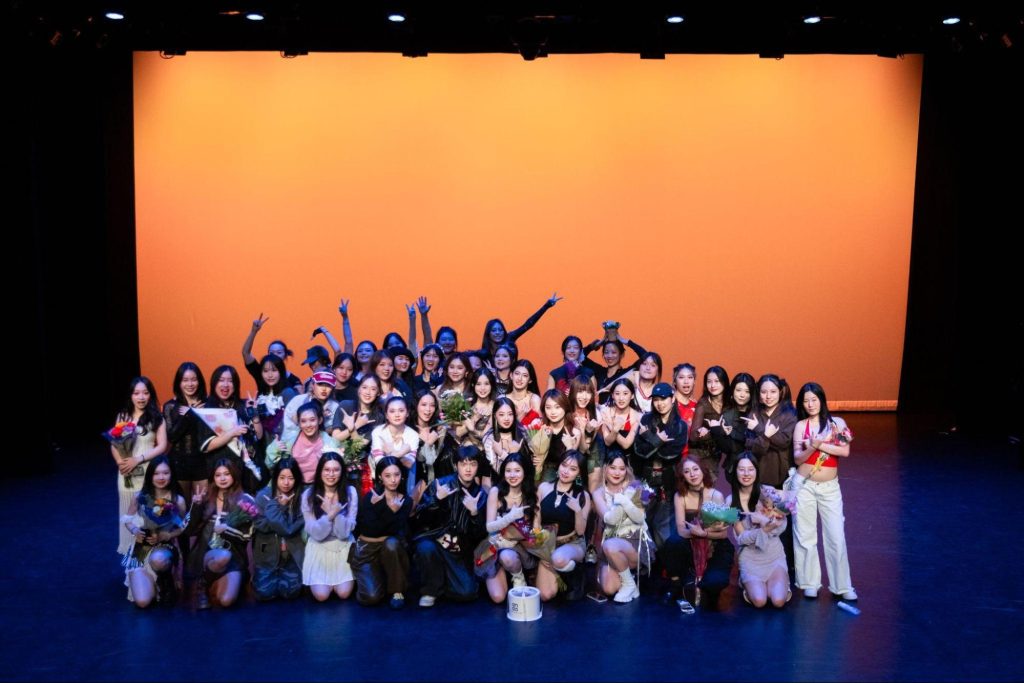
The same consistency guided Hu when she moved to New York. During earlier stages of her career, Hu experienced moments of stagnation that prompted deeper reflection on her creative direction. Rather than discourage her, these periods reshaped her focus beyond mere performance, drawing her toward the work of organizing, managing a dance studio, and bringing people together to create something bigger than any one individual. In 2023, Hu founded Obsessed Dance Crew in New York City, a name that perfectly captured her team’s passion, drive and charisma. Within a month, thirty dancers joined the community, many of whom were drawn to her balance of creative freedom and reliability. Their performances quickly gained traction, garnering over a million views on YouTube and 320,000 on RedNote. Her journey began not in the New York limelight but in the local studios of Boston, where she learned how creativity and community reinforce each other.
For Hu, leading a dance team is a complex balancing act. “The hardest part of running a dance team,” she explains, “is that everyone has their own creative ideas. It’s not always easy to bring those ideas together in one direction.” Her approach is based on empathy and trust. “Having worked with most of my members in the past, we already have a foundation of understanding. When disagreements arise, we discuss them openly. I will consider everyone’s views and make the final decision – but I always communicate first, so that every dancer feels respected and heard.” That sense of mutual respect is at the core of her leadership. “Obviously I feel like I’m stuck, but I’m taking it as a sign that I’m ready for more and that I’m about to reach this plateau. It’s like I’m trying to break through the ceiling and go into the next great season.” She laughs.
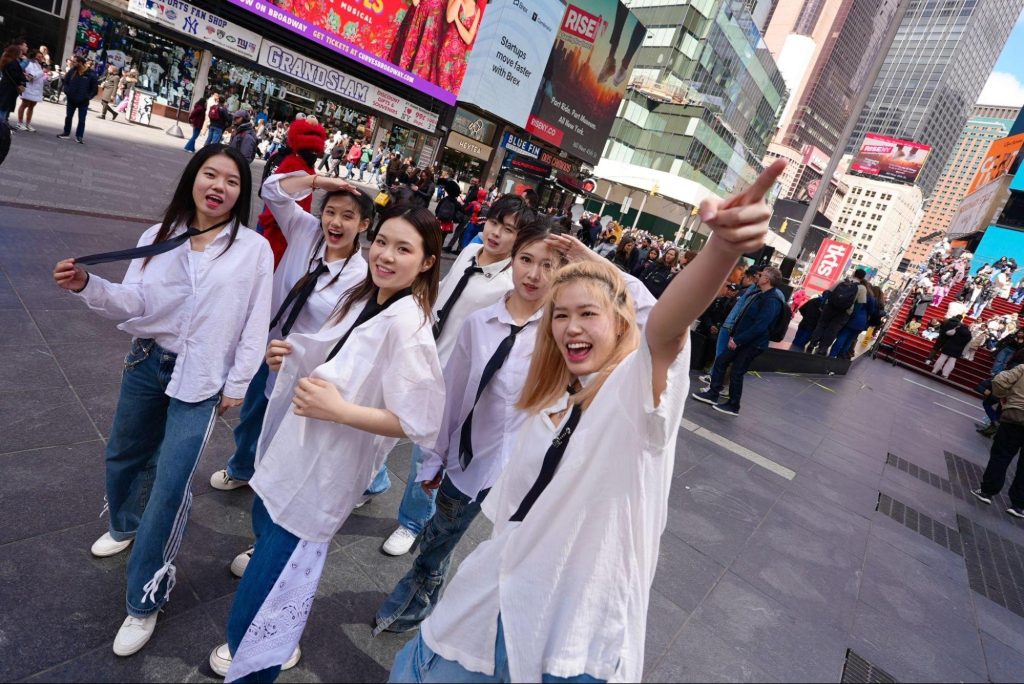
The same sensitivity extends to how Hu handles Obsessed’s online presence. When asked about the ability to attract hundreds of thousands of views on YouTube and RedNote, “Our strategy is really about trial and error,” she says. Early on, Hu and her team analyzed successful dance teams to understand camera work, pacing and audience preferences. Over time, they noticed clear regional differences: Asian viewers were drawn to polished, studio-based productions with strong lighting and cinematic effects, while American audiences preferred open, street-style performances that felt spontaneous and authentic. She used these insights to change her strategy and applied the same analytical thinking to scheduling and engagement. “It’s all about learning from the data,” Hu explains, “and being flexible enough to adapt. Be brave.” Even during filming, her team treats every public performance as a chance to build community. As passers-by stop to watch, a designated assistant introduces the crew and invites them to follow along online. More recently, they’ve started experimenting with live streams, allowing audiences to request songs and interact in real time. Through these experiments, Hu has built a system rooted in both structure and spontaneity. “We always put the audience first,” she says. “Their feedback helps us grow, and every little tweak brings us closer to what really connects people through dance.” As the obsessive dance team continues to evolve, Hu has continued to delight audiences with her and her team’s creative performances.