
There are nights at the theater when you feel the room change, not through spectacle or gravitas, but through that delicious, early laughter that moves through an audience as it collectively realizes what kind of night it’s in for. On Dracapellathat moment comes almost immediately. Somewhere between a clap of thunder conjured entirely by human voices and a deliberately terrible pun that somehow lands as brilliance, I felt that old familiar joy: theater at its most alive – silly, self-aware and completely in control of its own mischief.
The Park Theater set out to deliver an ‘alternative Christmas show’ and they have done just that. On paper, the premise sounds faintly unsuspended: an a cappella rendition of Dracula. But in practice it becomes a well-judged piece of serial theater that leans into its own chaos with cheerful confidence. Co-writers Dan Patterson and Jez Bond clearly understand the appeal of organized chaos and let the cast run with it. There are no twee snowflakes or sentimental sermons here – just fangs, harmonies and a beatboxer who seems genuinely driven by something supernatural. And it works! The show never pretends to be anything other than what it is: a confusing, high-camp, highly skilled a cappella reinvention of Bram Stoker’s classic that would probably make Stoker squint — and then maybe applaud.
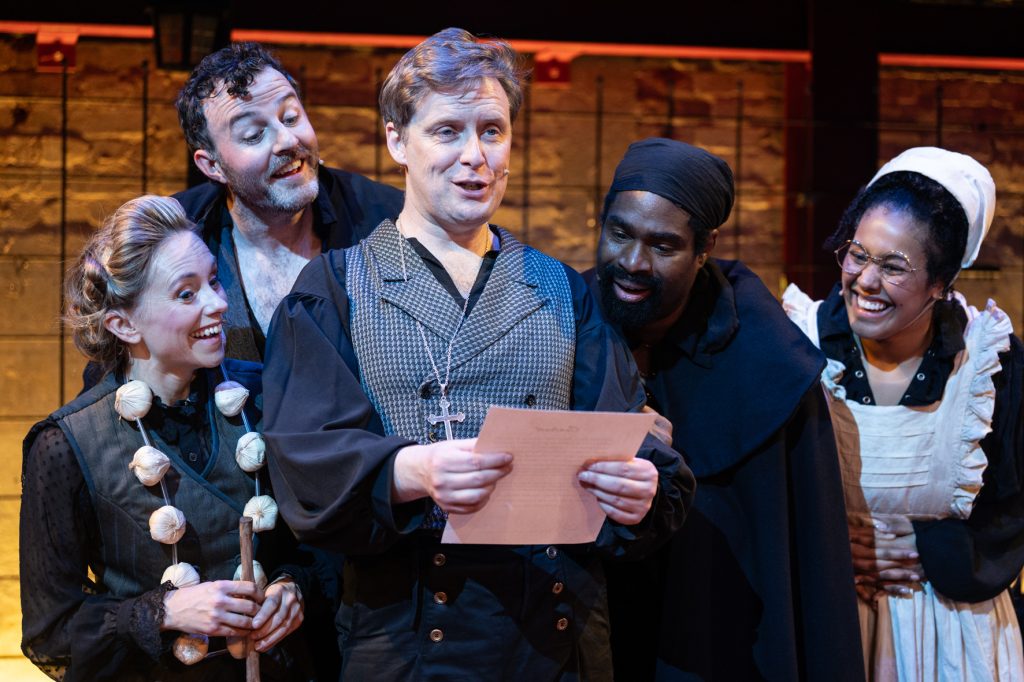
The real engine of the production, however, is the ABH Beatbox, whose extraordinary skill underpins every sound, rhythm and effect. In a show driven entirely by human voices, there is no room for sloppiness, and the actors meet the technical demands with astonishing control. The arrangements are eclectic and gleefully chaotic, with comic timing so sharp that laughter often precedes understanding. Everything from eerie wind effects to the clatter of Transylvanian hooves, everything comes from the eight performers on stage. ABH, the British champion beatboxer, is both heartbeat and backbone; more than once it is indeed easy to forget that such sound is produced by a human being.
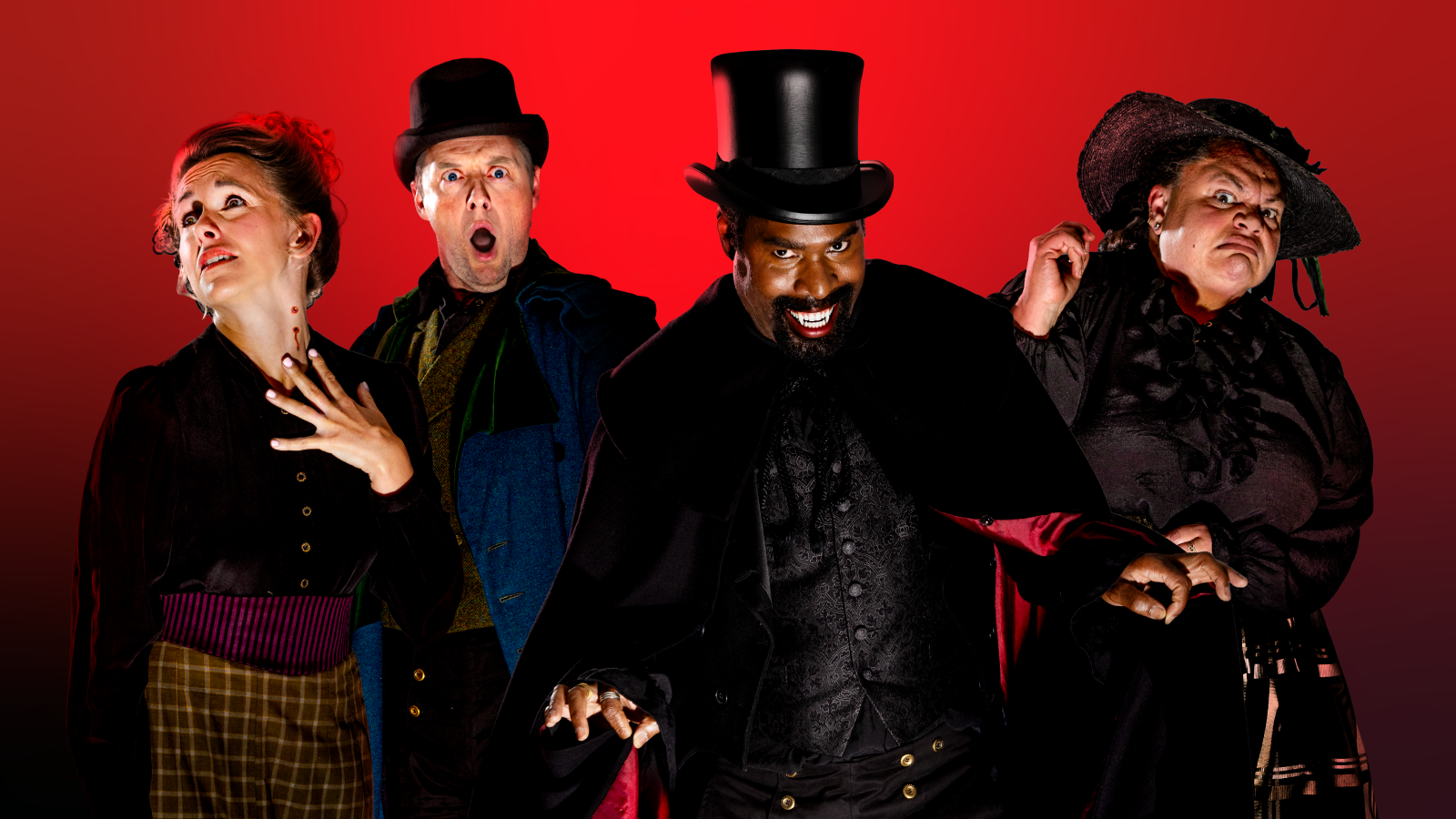
The premise is familiar – lawyer Jonathan Harker travels to Transylvania on business, only to find himself caught up in a love triangle involving Mina, Lucy and a vampire who treats melodrama as a sacred calling. The story is deliberately loose, stitched together with quick gags and musical interludes, but it holds because the performances do. A cappella? For Dracula? I can almost hear the skeptics blinking. But Patterson and Bond clearly saw that hesitation and thought, “Perfect. Let’s run right to it.”
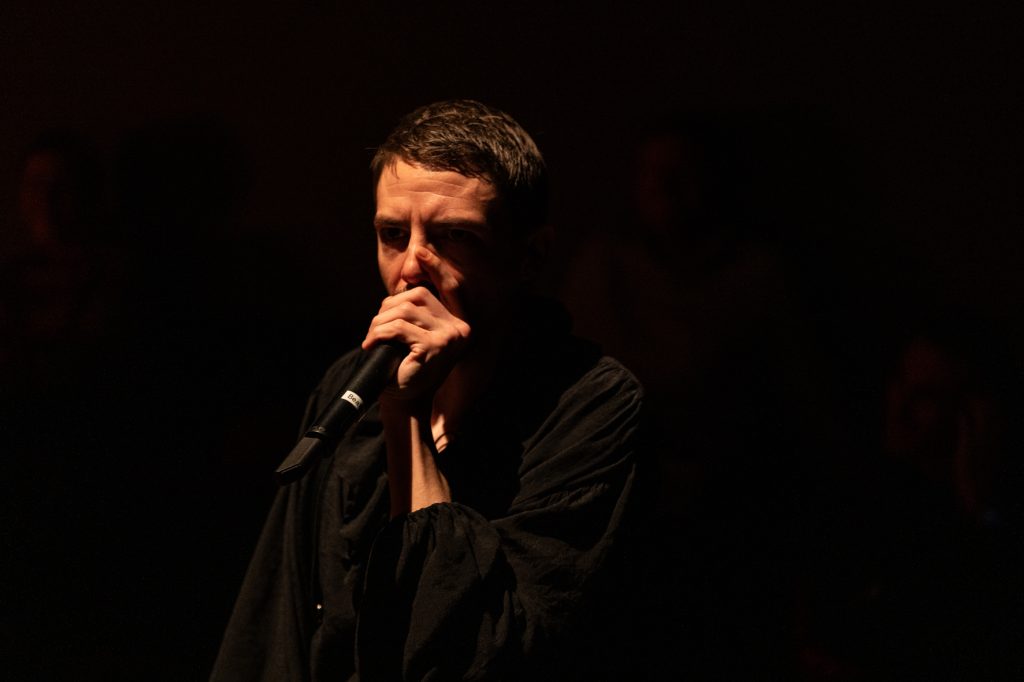
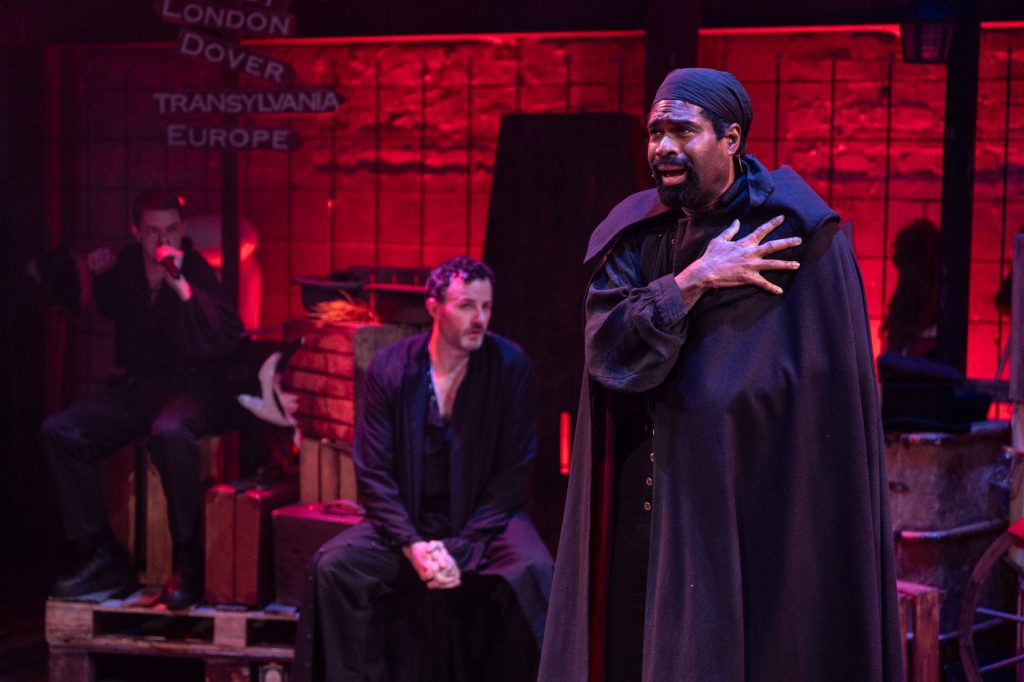
Stephen Ashfield’s comic precision as Harker is a masterclass in timing, playing the straight man with just enough frayed nerves to keep the madness grounded. At the opposite end of the spectrum, Ako Mitchell’s Dracula sways through the evening as a completely self-aware showman, reveling in his own theatricality. Lorna Want gives Mina luminous vocal warmth, while Keala Settle’s Lucy devours the stage with glorious, knowing abandon. Monique Ashe-Palmer, Ciarán Dowd and Philip Pope swirl through accents, quick changes, physical comedy and harmonies with reckless glee, confidently pulling the audience in on the joke.
tonally, Dracapella sits somewhere between sketch comedy and musical revue. Patterson’s fingerprints are unmistakable: quick jokes, gleefully moaning puns and a willingness to stop the narrative for moments of pure absurdity. It’s not subtle, and it doesn’t try to be. The humor lands because the actors commit wholeheartedly and because the production understands its audience.
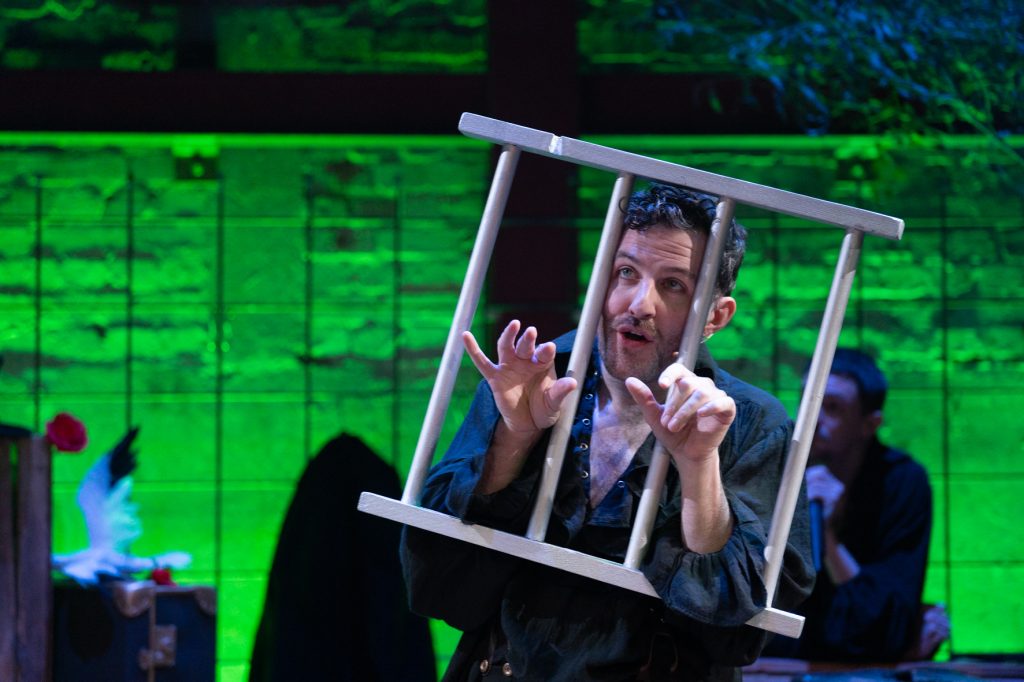
The staging is efficient rather than lavish and serves the material perfectly. The story moves quickly, the transitions snap cleanly, and musical cues signal tonal shifts without breaking the pace. It’s a compact, confident piece of festive programming that understands itself completely: a vocally ambitious, mildly wild two-hour excuse for collective enjoyment.
One of the show’s most impressive achievements is how consistently it holds the room in its grip. A cappella is unforgiving, but the harmonies soar with the confidence of a West End ensemble used to filling much bigger houses. Certain numbers sent little shivers up my arms – not from fear, but from sheer vocal craft. You haven’t really lived until you’ve heard Eye of the Tiger reimagined through vampire hysteria and human beatboxing, or witness an actor engage in a “stakeholders” joke with such sincerity that you briefly forget how disastrous the pun is.
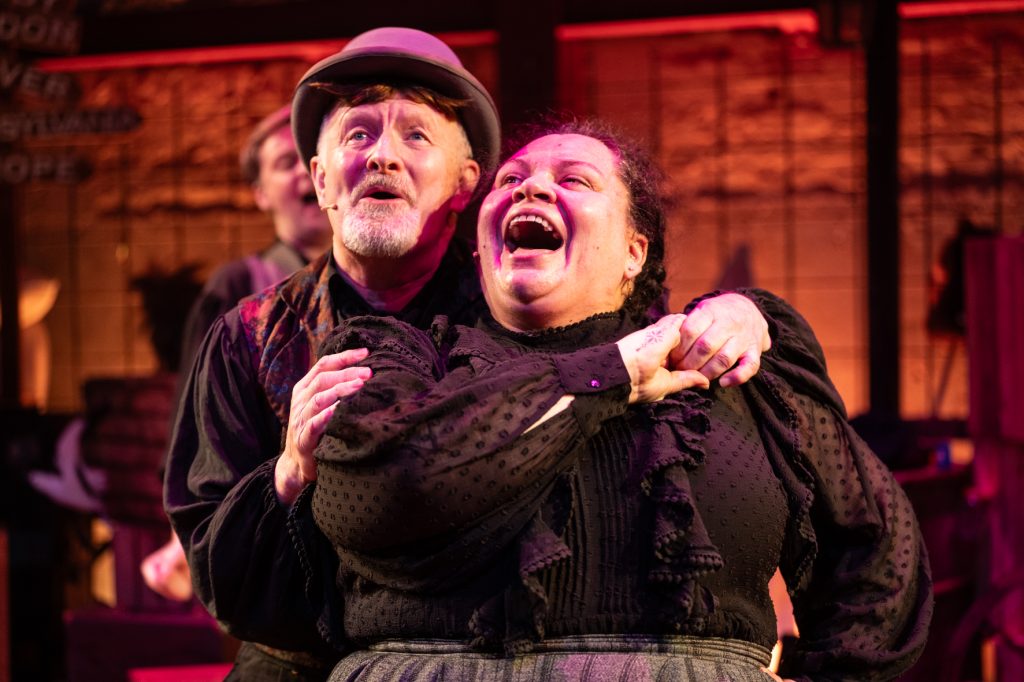
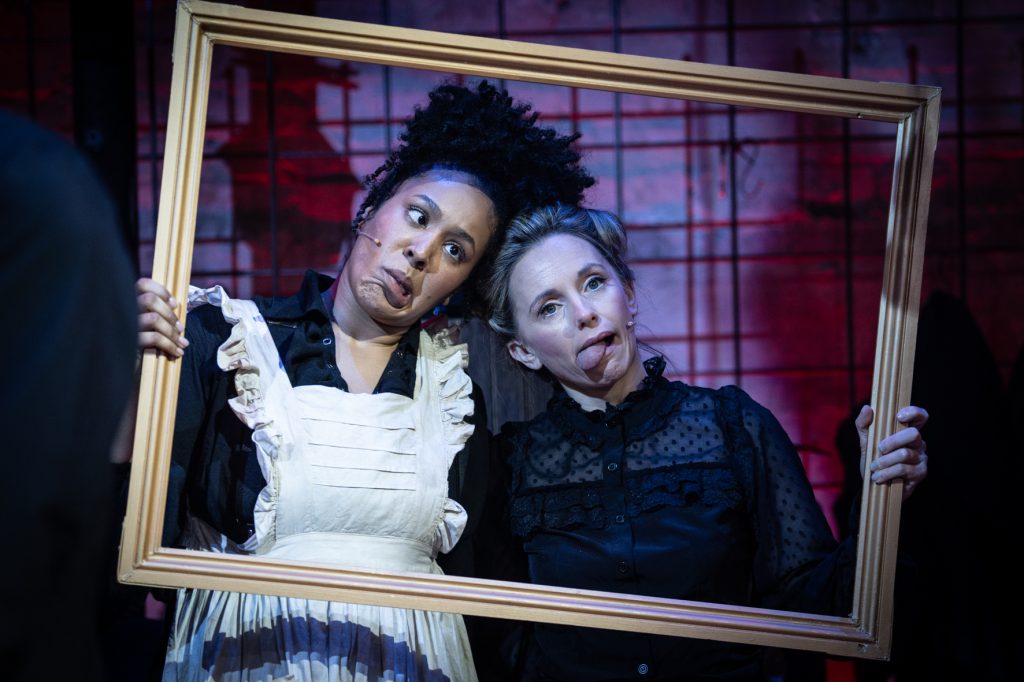
There is something rare and restorative about seeing a theater full of strangers laughing together, unguarded. Patterson has said that he wanted silliness as an antidote to the weight of the world, and he succeeds: Dracapella isn’t trying to fix anything beyond the auditorium, but for two hours the only thing that matters is the next ridiculous joke and whether Dracula will finally manage to bite someone on purpose.
As the actor lands the final note, there’s a glow in the theater that follows you out into the cold London night, humming a tune you’d never imagine associating with Transylvania.
Final Verdict: Dracapella not interested in reinventing Draculaand it doesn’t have to be. It’s loud, weird and brilliantly self-aware, and that’s exactly the point. What it offers instead is a generous dose of festive silliness delivered by a cast with serious musical chops. It’s not perfect: a handful of sequences go a shade too long, and some gags land cleaner than others. But the overall effect is warm, energetic and genuinely communal. (4.5/5 stars)
So if your December needs relief from sentimentality and spectacle, this is a smart, impeccably executed option that will have you grinning on the way out. If you’re looking for gothic tragedy and real goosebumps… honey, you’re in the wrong castle.
Looking for a festive night at the theater that trades glitter for teeth? Dracapella is currently playing at the Park Theatre. Share your thoughts with us on X/Twitter, and for more theater news and reviews, visit Celebmix!